DPWH Standard Compliance: How to Choose the Right Road Studs for Philippine Highway Projects
Apr 28, 2026
When selecting road studs for highway projects in the Philippines, DPWH standard compliance is often the first and most important requirement. For contractors bidding on public infrastructure works such as national roads, bridges, expressways, and urban traffic upgrades, using products that align with Department of Public Works and Highways (DPWH) specifications is essential for project approval, long-term performance, and road safety.
This guide explains how to choose the right road studs for Philippine highway projects while ensuring compliance with local standards.
Why DPWH Standard Compliance Matters for Road Stud Selection
The DPWH is the main government authority responsible for planning, constructing, and maintaining national roads and bridges in the Philippines. For any government-funded road project, materials must meet approved quality and safety standards.
Choosing DPWH-compliant road studs offers several advantages:
- Higher chance of project approval during procurement
- Better visibility and traffic guidance for motorists
- Improved durability under tropical weather conditions
- Lower maintenance and replacement costs
- Compliance with contractor documentation requirements
For road contractors, selecting non-compliant products can lead to delays, rejection, or costly replacements.

Key Requirements for Road Studs in Philippine Highway Projects
When sourcing road studs for public road projects in the Philippines, contractors should focus on the following factors:
1. High Reflectivity for Night Visibility
Road studs must provide strong retroreflective performance to ensure lane visibility at night and during heavy rain. This is especially important on:
- National highways
- Mountain roads
- Bridges
- Expressways
- Curved road sections
High-quality reflective lenses help drivers identify lanes and road edges from a distance.
2. Weather Resistance for Tropical Conditions
The Philippines experiences:
- Heavy rainfall
- Strong UV exposure
- Flooding
- High humidity
- Coastal salt air in some regions
Road studs should be made from durable materials such as:
- Aluminum alloy
- Toughened polycarbonate
- UV-resistant ABS
- Corrosion-resistant steel anchors
This ensures long service life even in harsh outdoor environments.
3. Strong Load Bearing Capacity
Highways in the Philippines carry buses, trucks, container vehicles, and heavy transport daily. Road studs must withstand repeated tire impact without cracking or loosening.
For DPWH-related projects, heavy-duty road studs are recommended for:
- Main highways
- Toll roads
- Bridges
- Logistics routes
- Urban arterial roads
4. Reliable Adhesion and Installation
Proper bonding strength is critical, especially in areas with frequent rain. Road studs should be compatible with:
- Epoxy adhesive
- Bitumen adhesive
- Asphalt installation
- Concrete pavement fixing
Secure installation reduces maintenance issues.
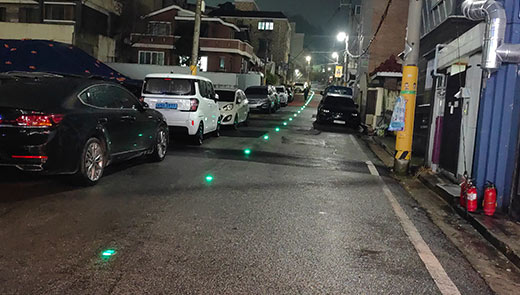
Types of Road Studs Commonly Used in Philippine Projects
Aluminum Reflective Road Studs
Best for highways and heavy traffic roads. Strong body structure and long lifespan.
Plastic Reflective Road Studs
Suitable for city roads, parking areas, and low-speed traffic zones.
Solar Road Studs
Ideal for dangerous curves, mountain roads, bridges, and areas with limited street lighting. Solar studs provide active LED illumination for higher visibility.
Glass Road Studs
Used in decorative roads, pedestrian crossings, and special urban applications.
How Contractors Can Ensure DPWH Compliance
Before purchasing road studs for Philippine government projects, request the following from suppliers:
- Product technical specifications
- Material composition details
- Reflectivity test reports
- Compression/load test reports
- Waterproof rating
- UV resistance data
- Installation method guide
- Project references
Reliable suppliers should also support OEM customization if specific project specs are required.
Why Imported Road Studs from China Are Popular in the Philippines
Many Philippine contractors source road studs from China because manufacturers can offer:
- Competitive factory pricing
- Large project supply capacity
- Fast export experience to Southeast Asia
- Customized specifications for bidding requirements
- CE / ISO / quality test support
For contractors handling public tenders, choosing an experienced export factory helps simplify procurement.
Best Road Stud Solution for Philippine Highways
The ideal road stud for DPWH projects should combine:
- Strong reflectivity
- Heavy load resistance
- Waterproof performance
- UV durability
- Easy installation
- Competitive cost
- Standard compliance documentation
This helps contractors win bids and complete projects smoothly.
Conclusion
For highway and bridge projects in the Philippines, DPWH standard compliance should always be the first checkpoint when selecting road studs. Whether the project involves national highways, bridges, toll roads, or city traffic upgrades, compliant road studs improve safety, durability, and procurement success.
If you are preparing for a Philippine road project, work with a professional road stud manufacturer that understands DPWH requirements and can provide the right technical support.
related
-
Off-Grid Road Safety: The Cost-Benefit Analysis of Solar Road Studs in Provincial ProjectsJun. 24, 2026
-
 The Ultimate Checklist for Inspecting Road Studs Before Installation in Infrastructure ProjectsJun. 04, 2026
 -
 All-in-One vs. Split Solar Street Lights: Which is Better for the Philippine Climate?May. 26, 2026